
Ukrainian Interculture in Czech work environment
Data shows a shifting trend: while 70% of refugees initially wanted to
return home, that number has dropped to approximately 50% after three
years. Kateřina Kopečná emphasizes that open communication about
expectations and future plans is essential for motivating these
employees to grow within the company.
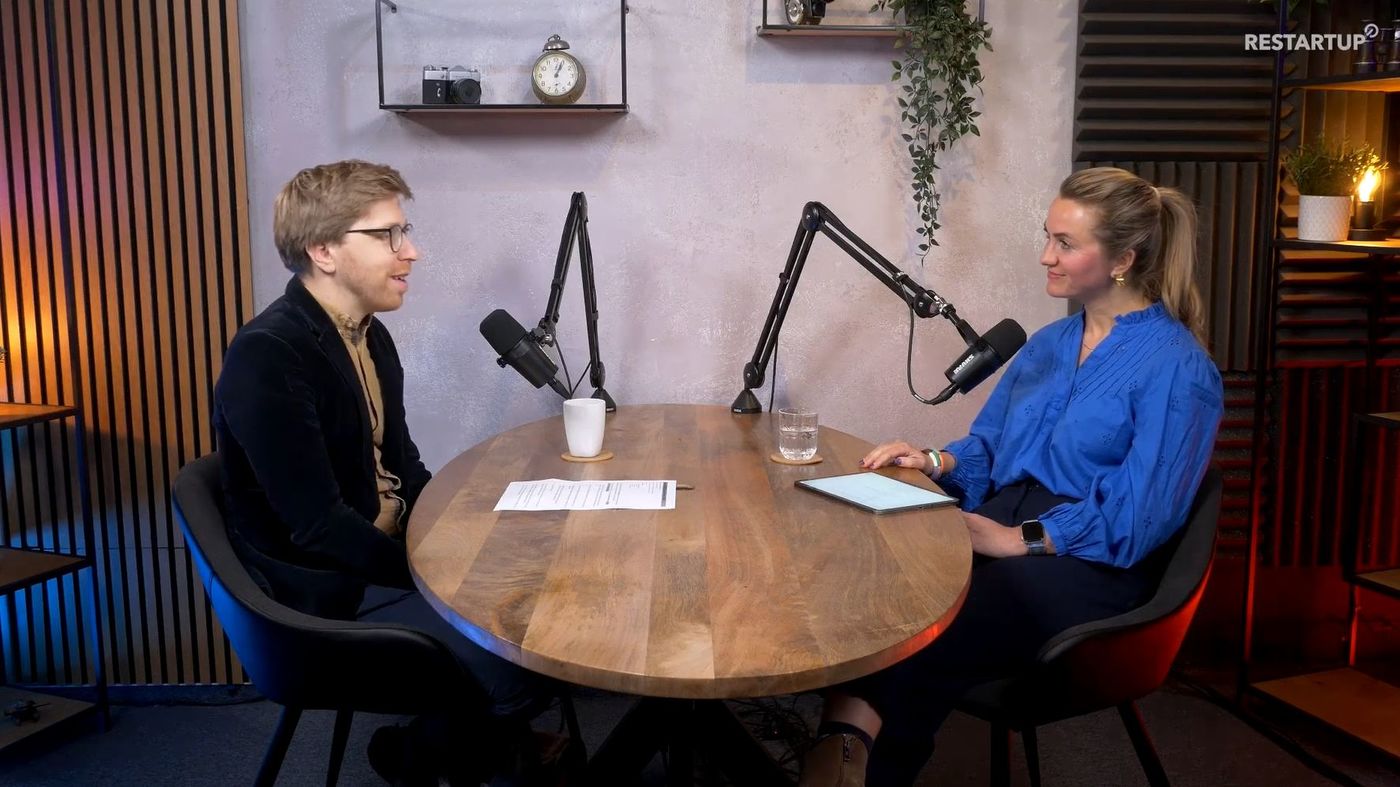
Václav Wortner: Kateřina, you lead these courses for Czech employers. What are the main cultural differences that Czechs should be aware of if they want to employ Ukrainians?
Kateřina Kopečná: One of the most striking things is direct communication. Ukrainian communication is often much more straightforward. We actually saw this in practice during one of our courses. We went to lunch, and the waitress came up and asked, "What will you have?" quite bluntly, without a smile. After we ordered, everyone burst out laughing because they suddenly had that cultural realization that Ukrainians are more straightforward. They realized she wasn't being mean; she was just being direct.
VW: So, they don't use those polite "fillers" we are used to?
KK: Exactly. They often laugh at our phrases like, "Excuse me, would you be so kind as to tell me the time?" They just say, "What time is it?" Interestingly, they often see this as a sign of respect—they don't want to burden the other person with unnecessary formalities.
The Challenge of Hierarchy and "Nodding"
VW: If I am a Czech boss and I want things to run smoothly, what else should I look out for besides this directness?
KK: Another major topic is hierarchy. In Ukraine, management is often more hierarchical. If a boss gives an order, it’s final, and the employee might not ask follow-up questions. We see this in factories where an operator might nod and say they understand, but they actually might not know the specific technical procedure. They nod to be polite or because they are afraid to question a superior. It could be a language barrier or an apprehension about asking. We teach managers to verify understanding differently. Don't just ask a "yes or no" question like, "Do you understand?" Instead, ask them to repeat the procedure in their own words.
Aesthetics, Status, and the "Sneakers vs. Heels" Divide
VW: You also use a drawing exercise in your workshops to explore stereotypes. What does that reveal about how we see each other?
KK: It’s fascinating. For example, when drawing a Ukrainian woman, they often highlight how much they care about appearance and status. A Ukrainian woman working as a factory operator or a cleaner will still have perfectly manicured nails and professional makeup. It’s a matter of personal respect. On the other hand, they look at Czech women and say, "You don't seem to care much about fashion—you'll wear sneakers with a dress!" In Ukraine, they wouldn't dream of that; even though some agree they got used to wearing sneakers in Czech republic, but only until they cross the border back to heel-wearing Ukraine.
Breaking the Mental Block: Career Growth vs. Temporary Status
VW: Finally, how does their legal status affect their long-term perspective in a company?
KK: Many have Temporary Protection, which is renewed annually. This creates a "mental block." Even if they are hardworking, they might hesitate to take a leadership role or grow career-wise because they still have the idea that they will return home once the war ends. As an employer, it’s vital to communicate openly about expectations and help them overcome this uncertainty if you want them to stay and grow.
If you want to ensure your team is prepared for these cultural nuances, Restartup offers tailored workshops designed to clear up stereotypes and set up efficient communication processes directly on the shop floor.
Full video available at https://youtu.be/UxIB3Cn99Mk?si=Rug4l5msiKz0gQf6

Follow us