
A Demographic Turning Point
More than one million people in Slovakia are already aged 65 or over, roughly one in five residents. According to Eurostat, only Poland has aged faster among EU member states over the past decade. National demographic forecasts project that by 2050 seniors will make up close to 30 percent of the population, placing Slovakia among the fastest-ageing societies in Europe.
The OECD projects that the ratio of people aged 65 and older to those of working age will rise sharply across the bloc by 2050, and Slovakia is expected to see one of the steepest increases of any member country. Slovakia’s own national active-ageing program goes further, estimating that ageing could remove close to a fifth of the country’s labor force by mid-century, a larger gap than the EU is expected to face on average.
The Shrinking Pool of Carers
The paradox is that just as the need for care grows, the supply of people willing and able to provide it is moving in the opposite direction. Slovakia’s labor market as a whole has already crossed a threshold: more people now leave the workforce for retirement each year than enter it, a sharp reversal from two decades ago, when the annual net inflow of young workers ran tens of thousands strong in the other direction. Economists project that the working-age population could shrink by more than a tenth over the next decade and a half.
Employer surveys consistently identify healthcare and social services, alongside technical and logistics professions, among the hardest sectors in which to fill vacancies. Long-term and home-care providers report particular difficulty recruiting for nursing and caregiving positions. The reasons are structural rather than accidental: such work is physically demanding, has historically been undervalued in pay and status, and is increasingly performed by carers who are themselves nearing retirement age, meaning the shortage in care is, in effect, compounding itself.
Why This Is a Competitiveness Question
It would be a mistake to treat this purely as a social welfare issue. When formal care capacity is insufficient, the burden falls back on families, disproportionately on women of working age, who statistically carry the larger share of informal caregiving.  Every person pulled out of paid employment to care for an ageing parent is a person removed from the labor pool that Slovak businesses are already struggling to fill. Seen this way, the care workforce is not a side effect of an ageing society; it is one of the foundations on which the broader argument of no workforce, no growth now facing Slovak business actually rests. Predictable, well-regulated long-term care policy also matters for investment: providers, insurers and private operators are more willing to build capacity where the rules are stable and consistently enforced.
Building a Response
There is no single fix, but several directions deserve more attention than they currently receive. Raising the professional standing and pay of caregiving roles would help stem the flow of workers out of the sector. Structured retraining and re-entry pathways could bring experienced workers over 50, already a focus of employment policy discussions elsewhere in the economy, into caregiving roles later in their careers, rather than treating this group as one to be managed out of the workforce.
Closer, more predictable cooperation between private care providers, public health insurers and local authorities would make it easier to plan capacity years, not months, ahead. Carefully managed labor migration remains part of the picture, though recruitment from abroad currently takes many months and cannot alone close a gap of this size.
Technology, from remote monitoring to home-based diagnostics, can extend the reach of a limited care workforce, but should be framed as a way to support human contact, not replace it. Some regional initiatives already frame ageing not only as a burden but as the foundation of a “silver economy”, built around goods and services for older adults, a reminder that a growing senior population can also generate demand, employment and innovation rather than only cost.
Conclusion
Slovakia does not have decades to prepare. The demographic curve driving this shift is already in motion, and it will not flatten on its own. How the country chooses to value, staff and organize care over the coming years will shape not only the wellbeing of its ageing population, but the competitiveness of its wider economy.
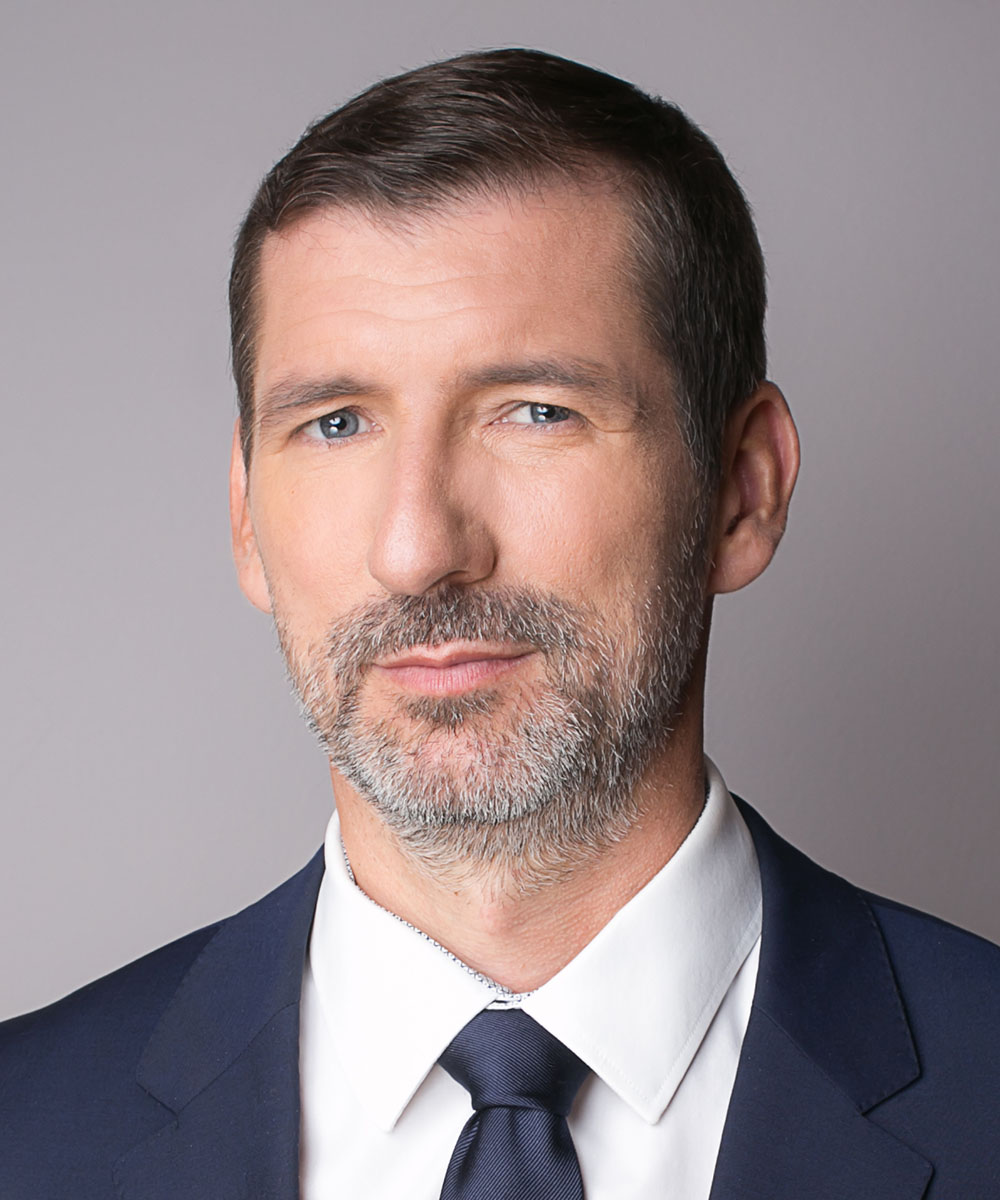
Dušan Elko, Managing Partner, SAM International, Board Member, AmCham Slovakia
Follow us