
Building Mutual Trust
The need for a credible and internationally recognized security authority became clear during Slovakia’s preparation for accession to NATO and later the EU. To meet international standards for handling classified information, the NSA was established in 2001.
Today, its activities are governed by national legislation on the protection of classified information and cybersecurity. These laws establish strict rules for protection and handling of classified information, security clearances, trust services and systems and means of cryptographic information protection. Although the NSA operates independently, it is accountable to a special parliamentary oversight committee.
Core Responsibilities of the NSA
Protection of Classified Information - The NSA supervises and regulates the protection of classified information, sets security standards, and ensures compliance with applicable laws. It maintains relevant records and oversees the secure handling, storage, transmission, and destruction of classified materials across public administration and designated entities.
Security Clearances and Vetting - Access to classified information requires not only expertise but also proven reliability. The NSA conducts comprehensive background checks on individuals and organizations requiring clearance, including public officials, military personnel, police officers, and employees in strategic industries. This vetting process assesses potential risks, conflicts of interest, and vulnerabilities. Security clearance is granted only after all legal and international requirements are met.
Cybersecurity Oversight - Cybersecurity is one of the NSA’s most dynamic and strategic responsibilities. The Authority protects critical infrastructure, monitors cyber threats, and coordinates responses to major incidents. It also works closely with international partners, including EU institutions and NATO allies, to share threat intelligence and best practices.
As cyber threats grow increasingly sophisticated and cross-border in nature, the NSA plays a key role in Slovakia’s national cyber defense, supporting both state systems and critical sectors.
Cryptographic and Technical Security - Encryption underpins secure government communication. The NSA governs cryptographic policy, develops and approves national standards, and certifies cryptographic devices. It also ensures secure communication systems for public institutions and contributes to the development of secure digital services. As digital transformation accelerates, its role in maintaining cryptographic resilience is becoming even more important.
International Cooperation: Security Without Borders
As a NATO and EU member, Slovakia must comply with strict standards for handling and exchanging classified information. The NSA represents the country in international committees and working groups, ensuring alignment with allied regulations and interoperability with partner states.
This cooperation is especially critical in cybersecurity, where shared intelligence and coordinated responses enhance collective resilience. Participation in joint exercises and information-sharing platforms strengthens Slovakia’s preparedness against cyberattacks, espionage, terrorism, and hybrid threats.
Relevance for the Business Community
The NSA’s work also has practical implications for businesses. Companies operating in sectors such as defense, energy, telecommunications, and IT may engage with the Authority on industrial security, classified contracts, and cybersecurity compliance.
The NSA collects and evaluates information from its activities, as well as input from businesses, public institutions, and experts. It actively involves the private sector in shaping legislation and strategic documents through consultations, workshops, and conferences. Effective cooperation is built on open communication, information sharing, and strong cybersecurity standards, all of which support digital trust and economic stability.
A Cornerstone of National Security
In today’s interconnected world, protecting classified information and digital systems is essential to national sovereignty and democratic resilience. The NSA is a cornerstone of Slovakia’s security architecture, ensuring that the country meets the highest international standards.
Through its broad responsibilities, ranging from information protection and personnel vetting to cybersecurity oversight and cryptographic governance, the Authority helps safeguard national interests and maintain trust. It also plays an important role in managing cybersecurity incidents, strengthening partnerships across the cybersecurity community, building capacity, and raising awareness.
As global threats continue to evolve in scale and complexity, the NSA’s mission remains clear: to protect national security, reinforce trust, and support Slovakia’s position as a reliable and secure partner within NATO and the EU.
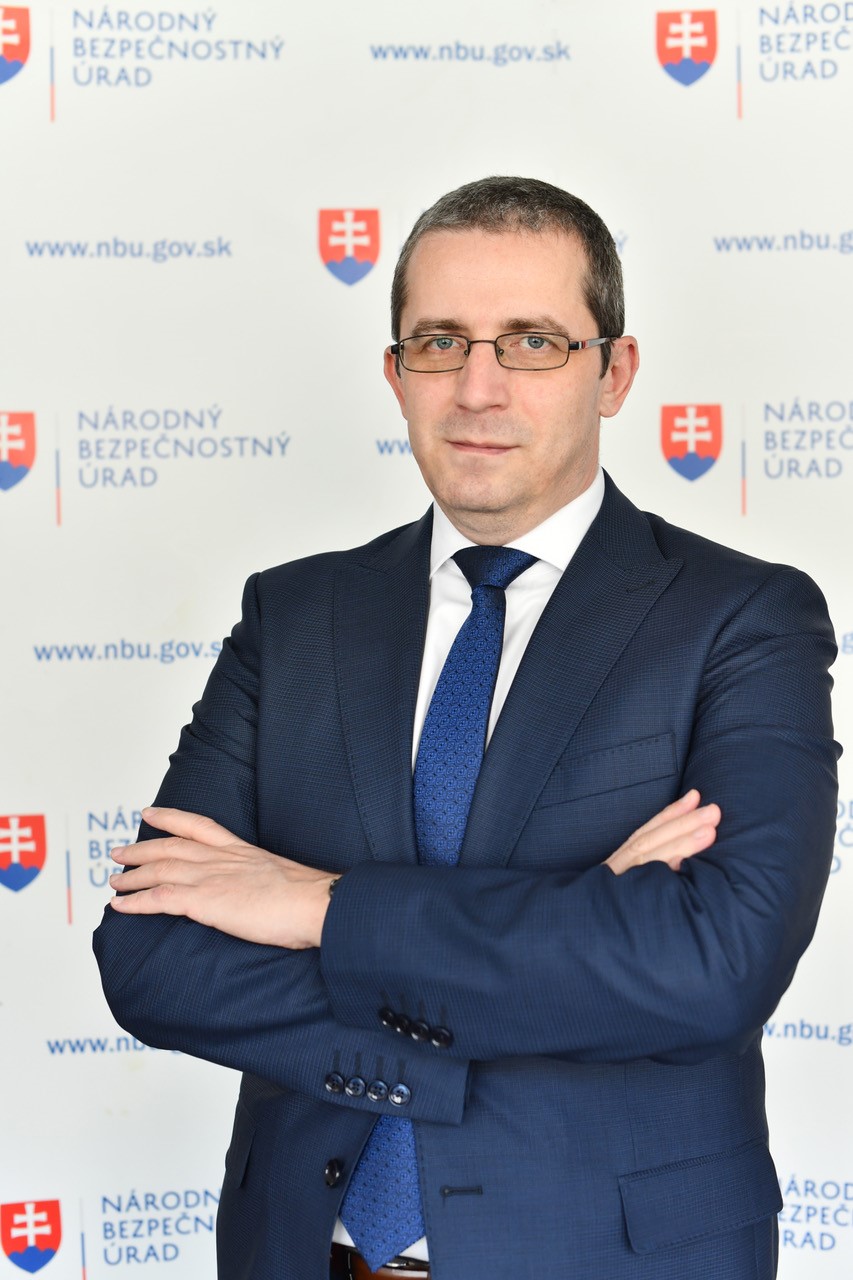
Roman Konečný, Director, The National Security Authority
Follow us