
The challenges—skilled labor shortages, demographic decline, and rapid technological acceleration—are no longer theoretical. They are the new baseline. To remain competitive, Slovakia must transition from being a passive consumer of global technology to an active architect of its own digital destiny.
The AI Act: From Regulation to Competitive Advantage
Serving on the European AI Board, I have seen firsthand the tension between regulation and innovation. Many see the AI Act as a hurdle. I see it as a blueprint for trust. In a world where “black box” algorithms can influence everything from healthcare to credit scores, trust is the ultimate currency.
We are currently in the last phase of the creation of the national AI law to implement the AI Act in Slovakia. This is not about adding layers of bureaucracy; it is about creating a “Regulatory and Innovation Ecosystem” where innovation can be supported within safe boundaries. By providing a clear, predictable legal framework, we are giving Slovak businesses a head start. We are ensuring that “Made in Slovakia” AI is synonymous with ethical, high-quality, and legally compliant technology—a standard that the global market is beginning to demand.
Unlocking the Power of Data and Infrastructure
Innovation cannot exist in a vacuum; it requires fuel. That fuel is data. However, Slovakia’s data remains fragmented, trapped in silos within public administration and private enterprises. To drive real competitiveness, we must move toward a Unified National Data Ecosystem.
As we oversee the implementation of national initiatives, our focus is on creating a seamless flow of information that respects privacy but enables progress. Whether it is healthcare data to improve patient outcomes or industrial data to optimize energy grids, the state must act as an orchestrator. We are not just building infrastructure; we are building a digital commons. This requires moving past the excuse of technical limitations and addressing the real bottleneck: the lack of a collaborative mindset between the state and the business community.
The Human Element: Resilience over Resistance
Technological progress is often met with fear. There is a persistent myth that AI will eliminate work. In reality, AI will reshape it. While administrative and accounting roles face higher risks of automation, the demand for creativity, complex problem-solving, and adaptability will skyrocket.
Our strategy must be obsessed with human capital. Retaining talent requires more than patriotic appeals; it demands an environment where an AI researcher or a cybersecurity expert has the same career trajectory in Bratislava or Košice as they would in Silicon Valley or Zurich. The development of digital competencies is not a one-off training session; it is a permanent state of evolution.
Conclusion: A Shared Responsibility
The future of Slovakia will not be decided in Brussels, Washington or Beijing; it will be decided by the speed at which we implement these reforms at home. The innovations in the digital age are here. We have the expertise, the regulatory seat at the table, and the strategic vision. What we need now is the collective will to execute.
The American Chamber of Commerce and its members are essential to this mission. Your feedback, your investments, and your expertise are the catalysts we need to turn legislative frameworks into economic reality. Let’s stop talking about transformation and start proving that Slovakia is ready to lead.
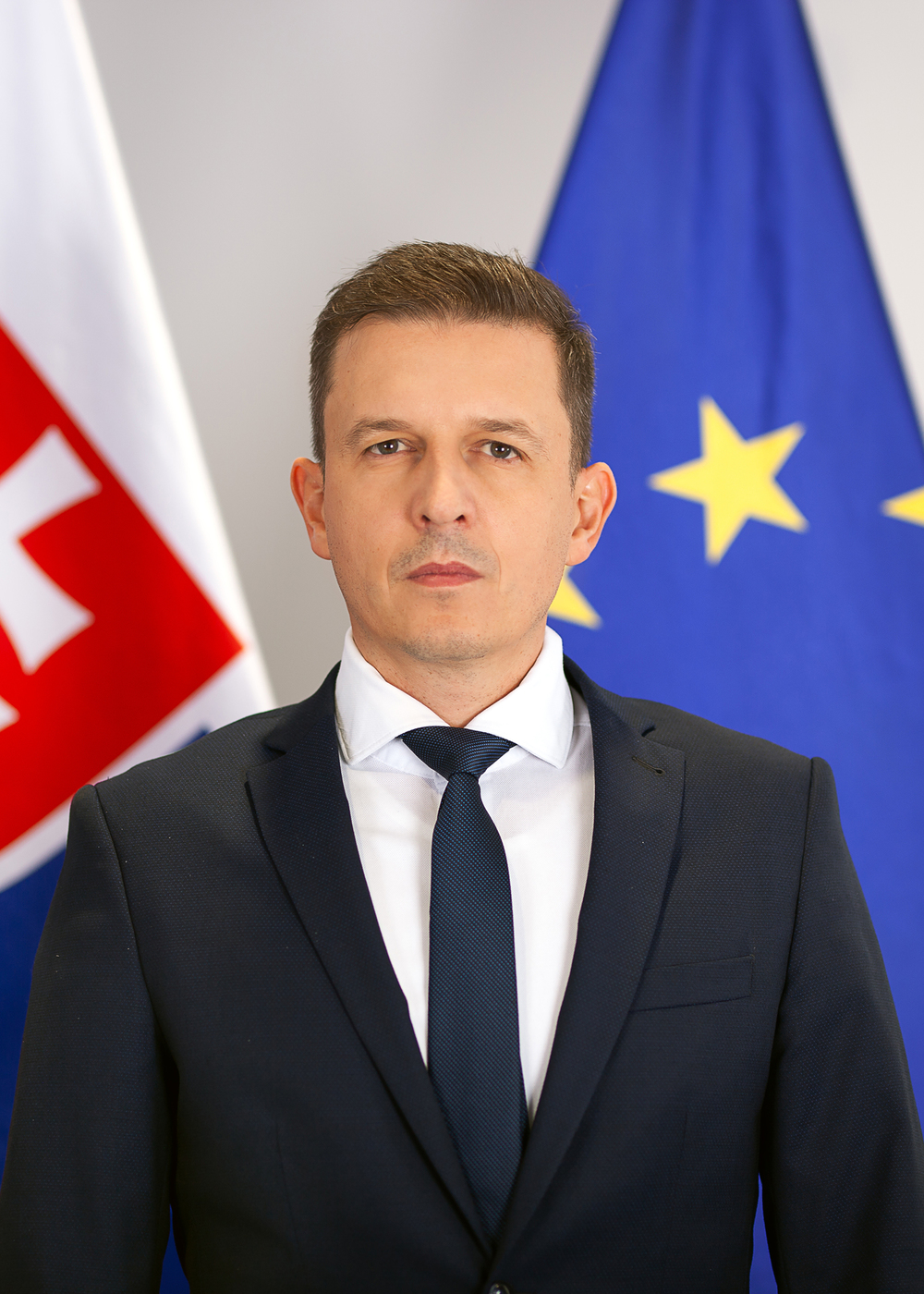
Radoslav Štefánek, Government Plenipotentiary of the Slovak Republic for Artificial Intelligence
Follow us