
How is the AI skills gap showing up at your Bratislava financial center?
MG: We’re seeing it in three ways. Data-focused teams are racing ahead while others stick to traditional problem-solving. Employees know AI exists but can’t actually use copilots, predictive analytics, or workflow automation. And teams understand their processes but struggle to write effective prompts or validate what AI produces.
What worries you most about this gap?
MG: Whether we can build the right skills and governance fast enough to use AI responsibly at scale. We need technology ambassadors who can drive change and guide teams through adoption, making AI part of daily work. At the same time, we have to establish sustainable IT infrastructure and clear controls to manage models, data quality, and risks.
What are you doing about it?
MG: We’re running a structured transformation program built on three pillars. First, we’re launching training on AI capabilities, prompting techniques, and “New Era” soft skills with Restartup. We’re also supporting an internal GBS lab for developing models and proof of concepts. The next step is embedding AI into cash collection predictions, balance sheet reconciliations, and anomaly detection. Finally, we’re shifting from transactional work to smart operations where humans oversee, interpret, and enhance AI-driven processes. We’ve even created new hybrid roles to support this.
 Mirka, you’re a Gallup-certified coach at Clarios. How does strengths-based coaching help with AI adoption?
ML: It’s straightforward. People with high self-awareness adopt new tools faster. CliftonStrengths builds that awareness. Someone with “Learner” in their top five naturally embraces AI. Someone with “Deliberative” needs different messaging, emphasize safety and gradual adoption.
Why do motivation and self-awareness matter for skill development?
ML: The Future of Jobs Report puts motivation and self-awareness at 52% employer importance. Gallup research backs this up. Employees who know their strengths are six times more engaged, and engaged employees pursue development. Here’s a common pattern. Self-aware individuals seek skills that leverage their talents. They don’t chase every trend, they strategically upskill.
How do you prevent early adopters and laggards from splitting permanently?
ML: Meet people where they are. Different strengths need different approaches. Our “Achievers” want metrics so we show them productivity gains. “Relators” need peer success stories. “Analytical” thinkers want data proving AI’s value. One-size-fits-all training fails. That’s why we partnered with Restartup to customize learning paths and use our internal Finance Academy.
What’s your vision for talent development in 2030?
ML: Continuous, personalized, strengths-based. The Future of Jobs Report shows curiosity and lifelong learning at 70% importance. That’s not training, I call it culture. By 2030, development won’t be a program. It’ll be embedded in daily work. AI will handle repetitive tasks and provide every employee with coaching to help roles evolve. Organizations that nurture talent will win. According to Deloitte, others face 68% moderate-to-extreme skills gaps.
How has client demand for AI training evolved recently?
MN: Exponential shift. Clarios approached us in 2020 for branding and people development. Now we’re co-developing an “AI mindset” curriculum. Clients realize AI literacy isn’t optional. McKinsey shows 92% plan AI investments, but 48% admit their training is insufficient. That’s our sweet spot.
What does “AI mindset” training actually involve?
MN: It’s not technical skills, it’s mindset transformation. We focus on four areas: psychological safety, experimentation culture in a safe environment, ethical frameworks, and human-AI collaboration. We use simulations, like our Marco Polo negotiation role-play, but AI-augmented. Participants learn that AI amplifies human judgment rather than replacing it.
How does your approach align with the Future of Jobs Survey framework?
MN: Deliberately. AI and big data sit at the top, but underneath are leadership, systems thinking, and empathy. Technology without humanity fails. We’ve worked on political campaigns, corporate transformations, and even advised former President Čaputová. The common thread? Understanding human nature enables technological adoption. We teach both.
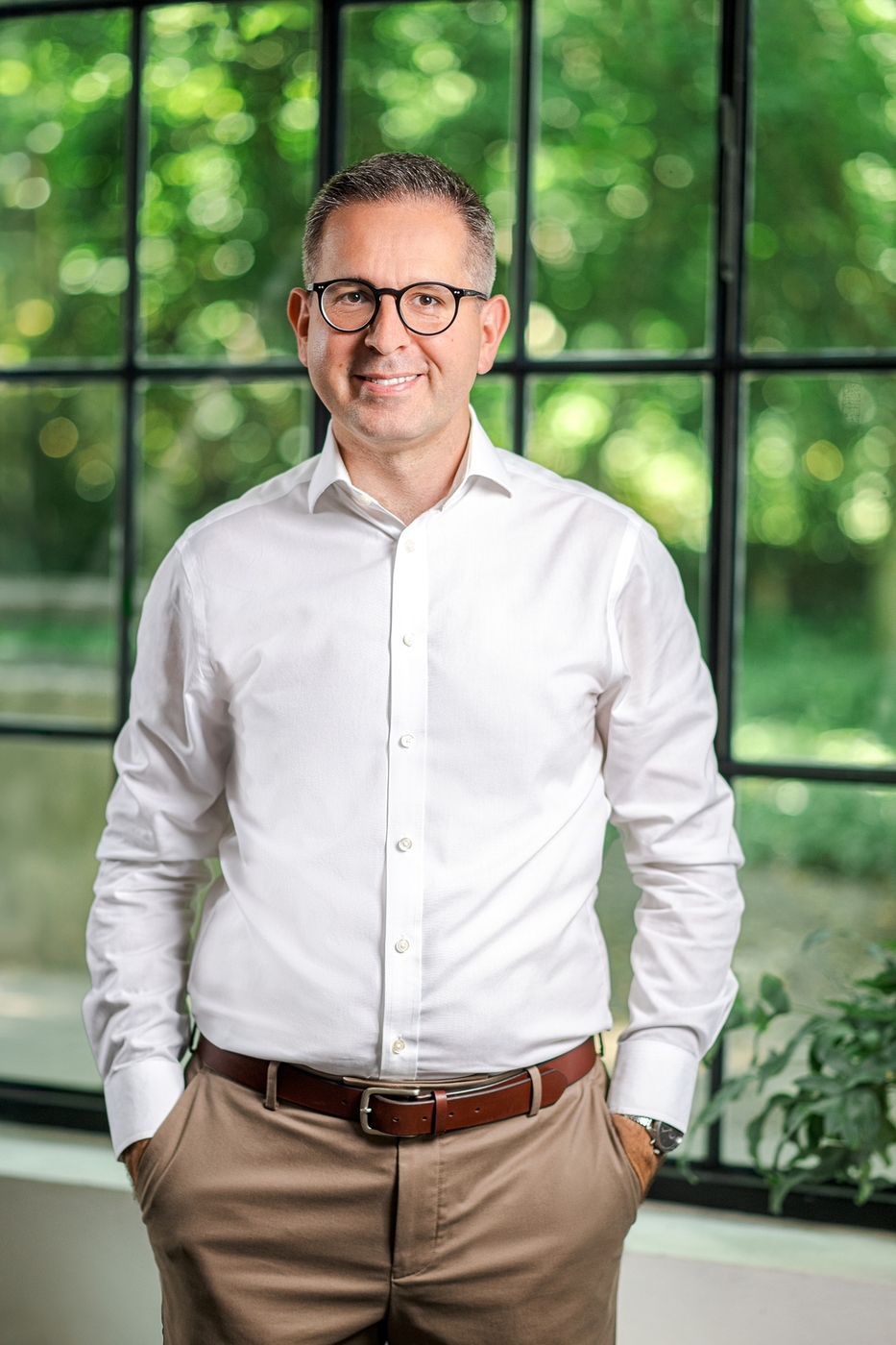
Michal Guštafík, Director, Global Business Services, Clarios
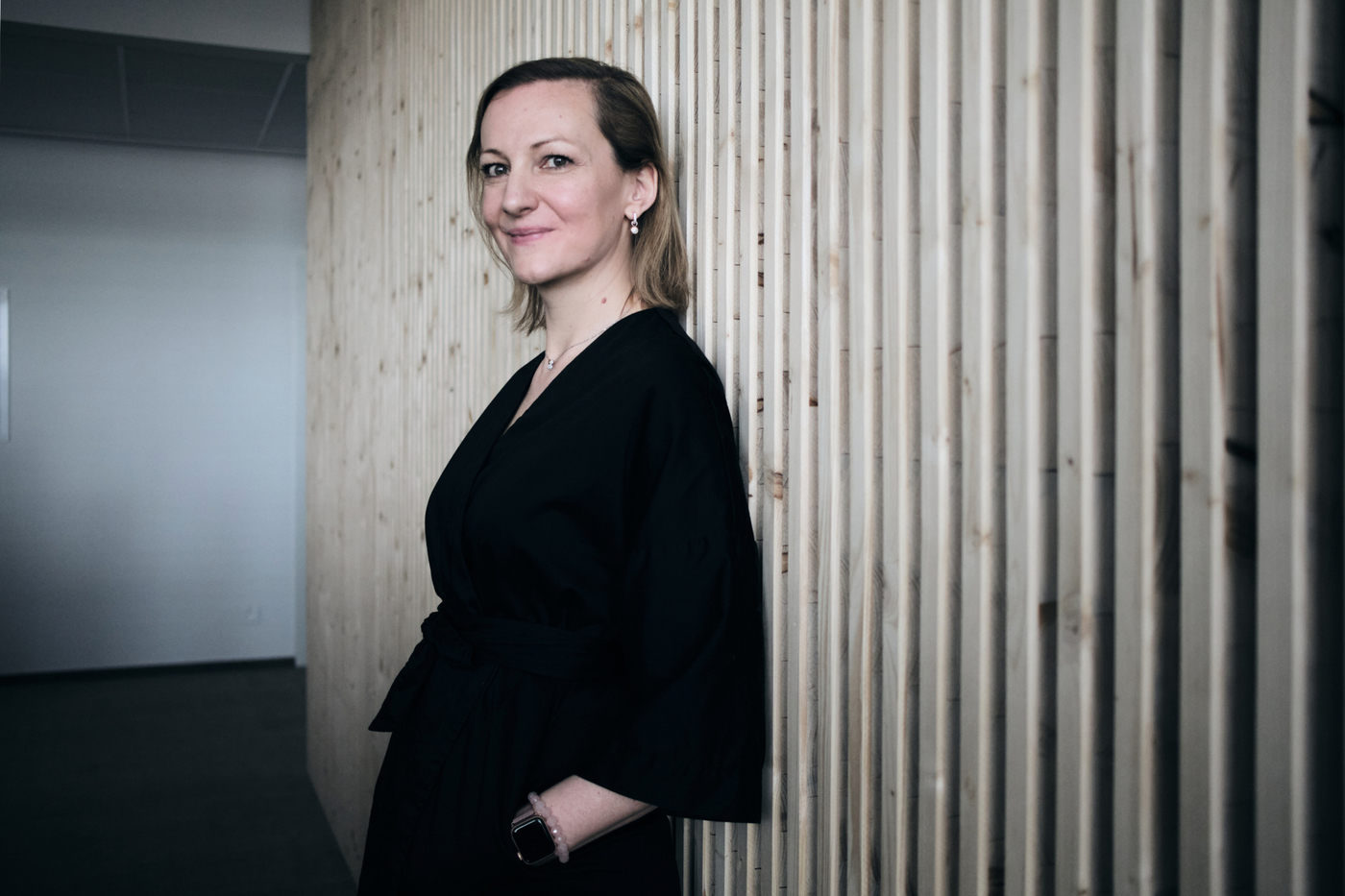
Miriam Lásková, Senior Finance Manager, Clarios
Michal Novota, Partner & CEO, Restartup

Follow us