To remain competitive, organizations must transition from rigid hierarchies to flexible, skills-based systems that enable continuous learning and resilience. Leading companies already understand that true organizational strength depends on a workforce able to learn quickly, adapt to disruption, and pivot when needed. In an era where AI is transforming work at unprecedented speed, the most valuable asset is not a job title but a verified, evolving set of skills.
Forward-thinking organizations are redesigning roles so people and AI can work side by side. This helps employees grow their capabilities while staying aligned with business needs. At the same time, a significant talent shortage is approaching. The experts predict a 15% gap in key areas such as technology and services. While AI removes routine tasks, it increases the demand for higher-level skills, making strategic talent planning more critical than ever.
The opportunity lies in smart workforce orchestration, i.e., matching the right skills to the right work at the right moment. CIPD’s Talent management fact sheet highlights that this requires shared responsibility from frontline managers to senior leaders. Building strong development pathways is no longer optional, it’s essential for long-term success.
AI, when applied well, is a powerful enabler. The 2025 Harvard Business Review Global Leadership Development Study shows that nearly half of L&D leaders expect AI to improve learning outcomes, from personalized coaching to more accurate forecasting of future skill needs. But technology alone won’t solve the challenge. The real transformation is cultural, shifting from using AI merely to automate tasks toward using it to amplify human potential and collective intelligence.
The defining shift for organizations in 2026 is clear: we are moving from static roles to dynamic skills. According to new research from McKinsey & Company, organizations that excel in people development are four times more likely to outperform their peers.
Global data & trends shaping 2026
- 39% of today’s skill sets will significantly change or disappear by 2030 (World Economic Forum). Rigid job descriptions and career ladders are quickly becoming a liability.
- 61% of organizations plan their workforce only one year ahead, leaving them reactive and vulnerable to disruption.
- According to McKinsey’s HR Monitor 2025, 73% conduct operational workforce planning, yet few connect it to long-term skill needs. The mindset of simply “filling a role” is becoming outdated.
- Employee development is often fragmented: low feedback frequency, limited training time, and weak succession pipelines undermine growth and readiness.
What organizations should do now to build future-ready talent
Adopt a skills-first operating model
- Shift from “filling headcount” to “building capabilities.”
- Move hiring, mobility, and career progression away from job titles and fixed roles toward verified skills (technical, digital, cognitive, social, and adaptive).
- Prioritize evidence of capability (certifications, portfolios, practical outputs) over traditional CVs.
 Build a modern “people engine”: data, technology, and human judgment
- HR must know what skills exist in the organization before it can identify gaps. Skills analytics are becoming the foundation of people strategy.
- Invest in HR technology, people analytics, learning platforms, and internal talent marketplaces.
- Combine data insights with strong human leadership by freeing up managers’ time to coach, mentor, develop and support growth.
Look ahead — workforce & skills forecasting
- Move from short-term planning to 3–5-year scenarios aligned with business strategy and technological change.
- Map business goals to required skills, identify gaps early, and invest in targeted upskilling, reskilling or hiring.
- Strengthen a future-ready leadership pipeline. Only 24% of C-suite leaders believe their organizations are proactive in this area (HBR).
- Create environments where hidden potential can emerge through psychological safety, accessible development opportunities, and a belief that talent grows through support.
- Use AI not just for automation but for insight (mapping skill strengths, forecasting future needs, identifying retention risks, and personalizing development).
Make learning continuous, embedded and dynamic
- Integrate learning into the flow of daily work through micro-learning , coaching and on-demand content.
- Align development with both current responsibilities and emerging future strategic needs.
Enable flexibility, mobility, and internal opportunity
- Replace rigid career ladders with cross-domain movement, project rotations, and gig-style assignments.
- Use internal talent marketplaces to uncover hidden skills and match people to opportunities. High-performing organizations allow talent to flow to priority work and not remain trapped within the organizational chart.
Why this matters for HR
Leading organizations already treat their people function as a strategic engine for innovation and resilience, and not as an administrative task.
For IT-driven organizations, the benefits are especially strong. It enables them to align their people strategy with long-term technology roadmaps and pivot quickly toward emerging priorities such as AI, cloud, and data (by redeploying skills rather than constantly hiring new roles).
Organizational resilience in 2026 and beyond depends on rethinking not only strategy and technology but also how people grow, move, and contribute.
The key question for leaders is no longer “How do we fill this vacancy?” but rather “What skills will we need tomorrow and how do we build them today?”
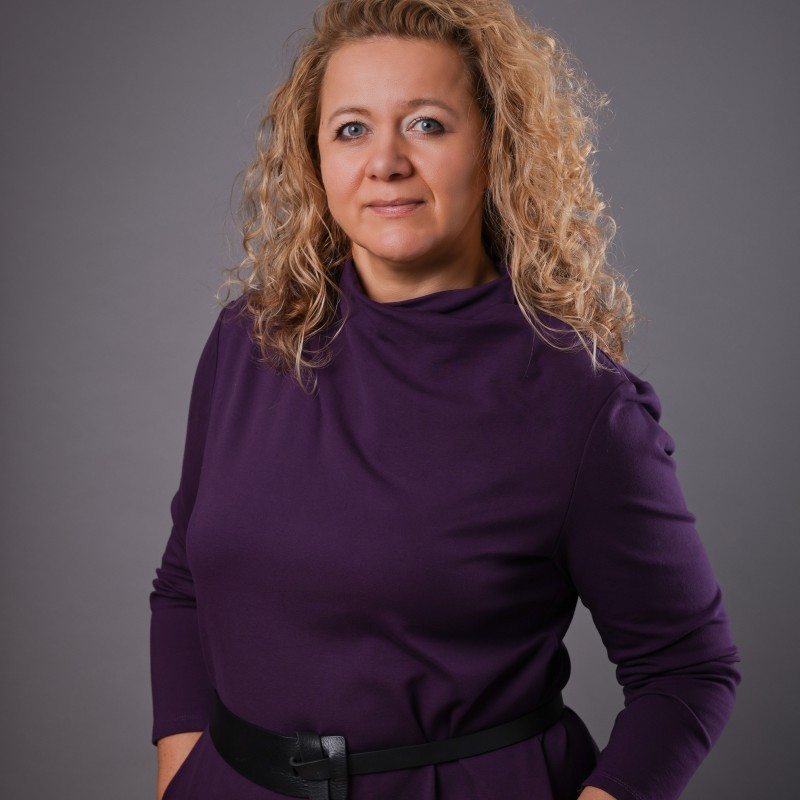
Lucia Gogová, HR Leader, IBM Slovakia
Follow us