
This mindset must change. Under this Government, I believe it is already changing rapidly. We have made substantial progress in preparing the final motorway section connecting Košice and Prešov with Bratislava, as well as the section connecting Košice with Slovakia’s eastern border.
Eastern Slovakia — particularly the Košice and Prešov regions — is not a periphery defined by distance. It is a region rich in industrial heritage, skilled labor, natural resources and a geographic position that places it at the crossroads of Central Europe. It borders three countries, lies along major pan-European transport corridors, and is home to two of Slovakia’s three largest cities. What it lacks is the physical connectivity needed to transform that potential into prosperity. Infrastructure does not follow economic development. Development follows infrastructure. This conviction forms the strategic basis of the Ministry of Transport’s approach to investment prioritization. First-class roads carry more than half of Slovakia’s total traffic volume. They are the arteries of regional economies, yet many of them, particularly in eastern Slovakia, remain burdened by outdated bridges, missing bypasses and accident-prone sections that slow mobility and raise costs for businesses and residents alike. Our commitment to their systematic reconstruction is not merely a matter of maintenance, it is an economic intervention. We are currently preparing one of the largest contemporary European PPP projects aimed at the comprehensive modernization of hundreds of regional bridges across Slovakia.
The rail network has also seen meaningful progress. Two recently completed modernizations of regional railway lines have delivered faster, safer, and electrified transport, and have thus, I believe, contributed to a higher quality of life. Better transport connections can influence where companies invest, workers commute and families choose to live.
These are not isolated projects. They form part of a broader integrated vision of mobility that includes urban, regional and interregional transit systems, cycling infrastructure and environmentally friendly transport options such as hybrid trains, electric buses and compressed natural gas vehicles. The goal is not only to move people more efficiently, but also to move regions forward and improve the quality of life for their inhabitants.
Financing ambitions of this scale require both discipline and resources. Through Programme Slovakia, the Ministry of Transport currently leads all government ministries in the volume of EU funds contracted and drawn down. We have introduced specialized procurement teams and documentation systems that prioritizes best value over the lowest price, because projects that are cheap but ineffective ultimately become the most expensive. Our continuous dialogue with the European Commission has minimized the risk of financial corrections and delays that regional communities simply cannot afford.
Whenever I visit eastern Slovakia — whether standing on a newly opened expressway section, walking through a modernized railway station, or speaking with mayors who have waited decades for a bypass — I am reminded that infrastructure is never just an abstract policy concept. It is a school bus that arrives on time. It is a factory choosing to expand because the logistics finally make economic sense. It is a young person deciding to remain in the region because access to opportunity no longer requires leaving home.
Our regions possess enormous potential, and eastern Slovakia is no exception. What has too often been missing is the infrastructure needed to unlock that potential. This is precisely what we are building and we will continue until every region of this country has the connectivity and opportunities it deserves.
Jozef Ráž, Minister of Transport of the Slovak Republic
Author
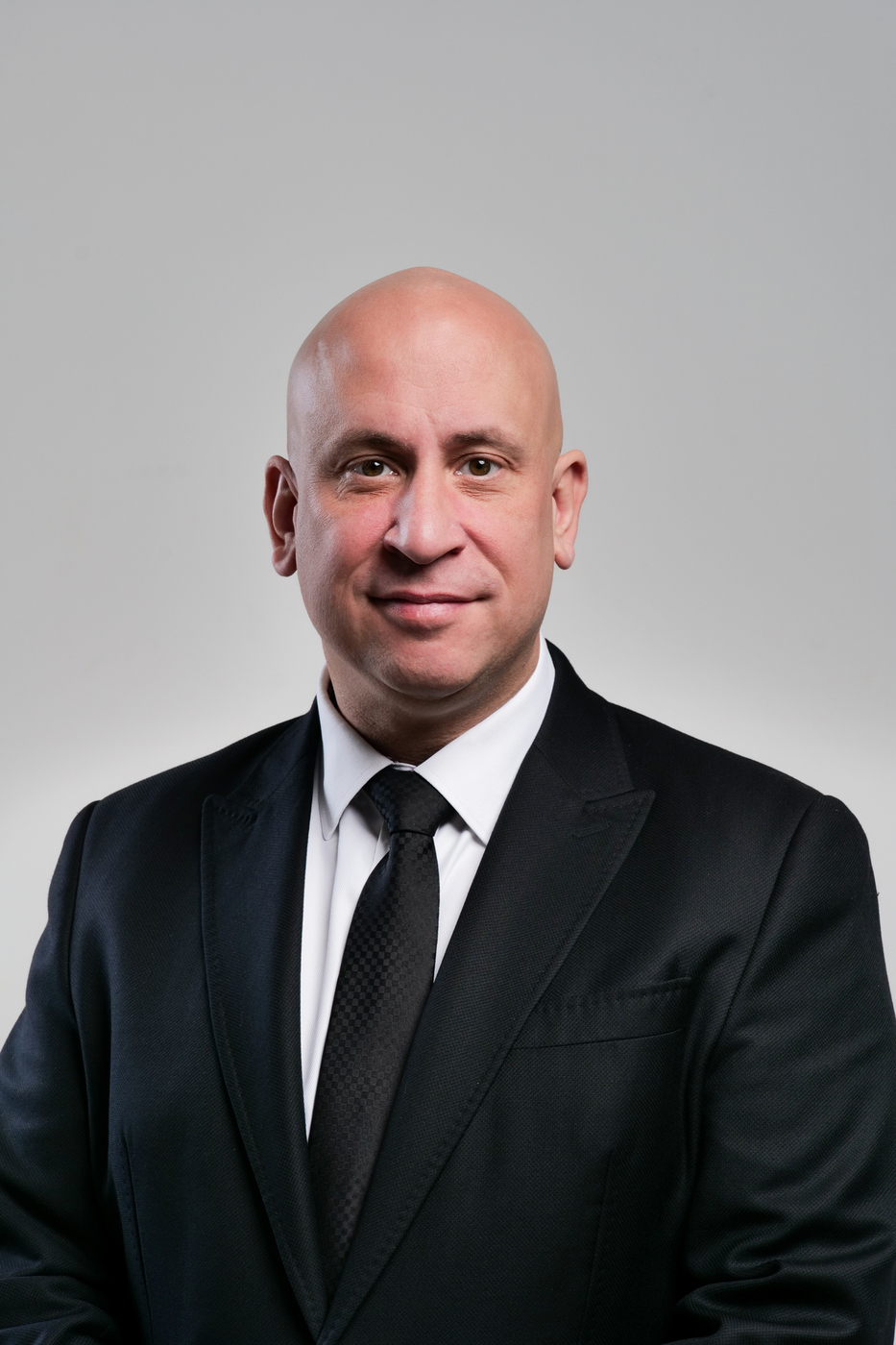
- Jozef Ráž
- Ministry of Transport of the Slovak Republic
- Minister of Transport of the Slovak Republic
Follow us