
What have been the biggest lessons learned during the project so far?
One of the biggest lessons so far has been that speed delivers results only when it is supported by transparency and strong cooperation. In a project of this scale, it is essential to identify potential issues early, address them openly and resolve them together with partners, suppliers and the public sector. We have also seen how important disciplined planning and the ability to adapt are, because large industrial projects evolve in a dynamic environment and require both focus and flexibility.
How do you see the Volvo plant contributing to the long-term development of the Košice region?
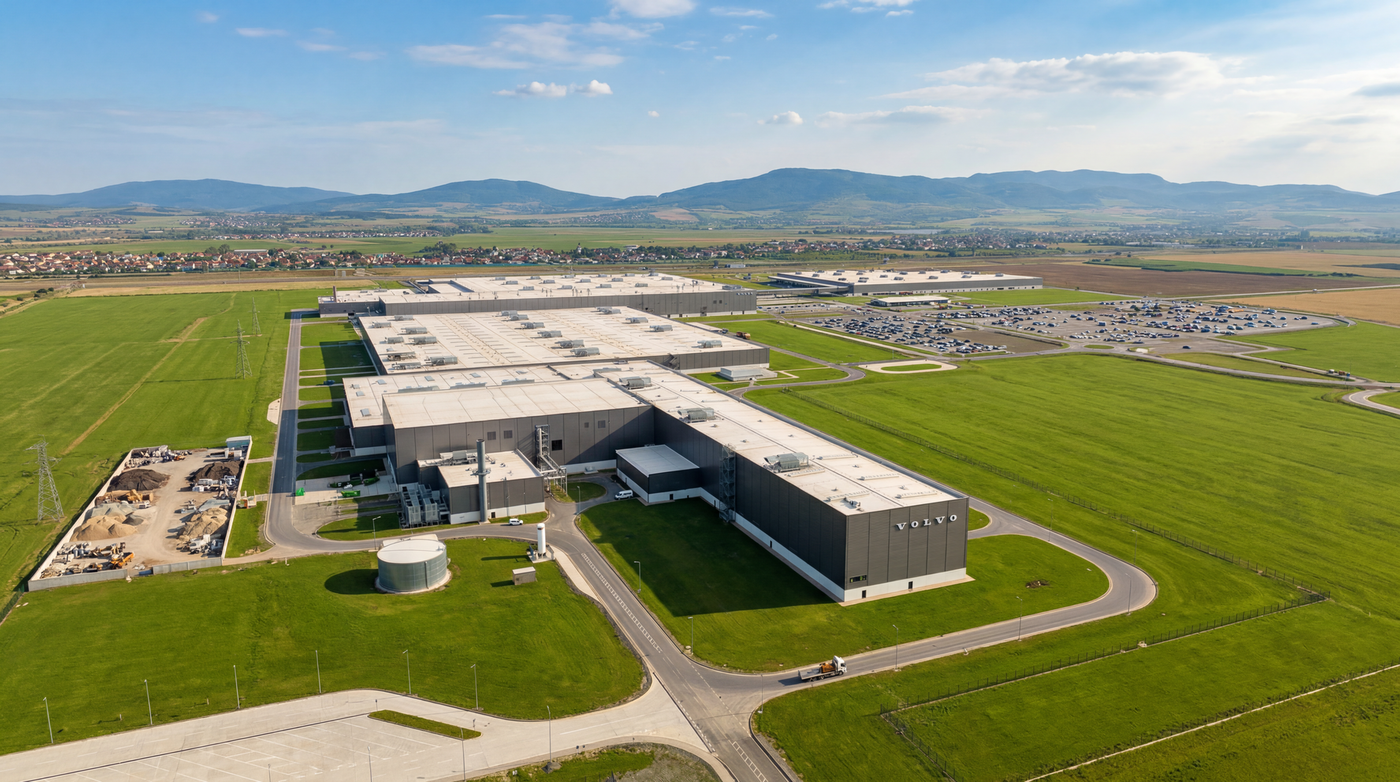
We see our plant as part of the long-term development of the Košice region. Its contribution goes well beyond the site itself – it is about creating jobs, supporting local suppliers, developing skills and helping to strengthen the region’s industrial base. If we deliver on that ambition, the project can further enhance the attractiveness and competitiveness of eastern Slovakia for future investment and sustainable economic growth. How do you evaluate the local talent pool, and how is Volvo addressing workforce needs?
The region offers a strong foundation, with motivated people and a solid technical base. At the same time, a modern automotive plant requires specific capabilities, so our focus is on developing those skills together with schools, universities and training partners. We are also seeing a positive trend of people returning from abroad to take up opportunities at Volvo Cars Košice plant, which is a very encouraging signal for the region. We hope this “brain return” will continue, because it can bring valuable international experience back to eastern Slovakia and further strengthen the local talent pool over time.
How do you see local partnerships and supply chains developing around the plant?
We see clear potential to build a strong local supplier ecosystem around the plant. Our role is not only to source competitively, but also to work with partners that can meet Volvo Cars’ requirements in quality, sustainability, reliability and efficiency. Over time, that should help create a supplier base that is stronger, more competitive and better positioned for long-term growth in the region.
How would you assess the region’s infrastructure, and what improvements are most needed?
A key priority for the region is stronger connectivity between eastern and western Slovakia. We welcome positive steps such as the air connection between Košice and Bratislava, which improves mobility and accessibility. At the same time, completing the highway connection remains essential. Reliable and efficient transport links, together with continued progress in energy and digital infrastructure, are fundamental to long-term competitiveness, smooth logistics and the region’s ability to attract further investment.
What are your key priorities for the next phase, and what will success look like in five to ten years?
Our priority for the next phase is clear: to complete the project safely, prepare the organisation for start of production and deliver a stable ramp-up in line with our commitments. Success in five to ten years means having a plant that performs strongly in quality, efficiency and sustainability, while also being firmly connected to the region through jobs, skills and strong local partnerships. That is how we create something that is not only operationally successful, but also valuable for the region in the long term.
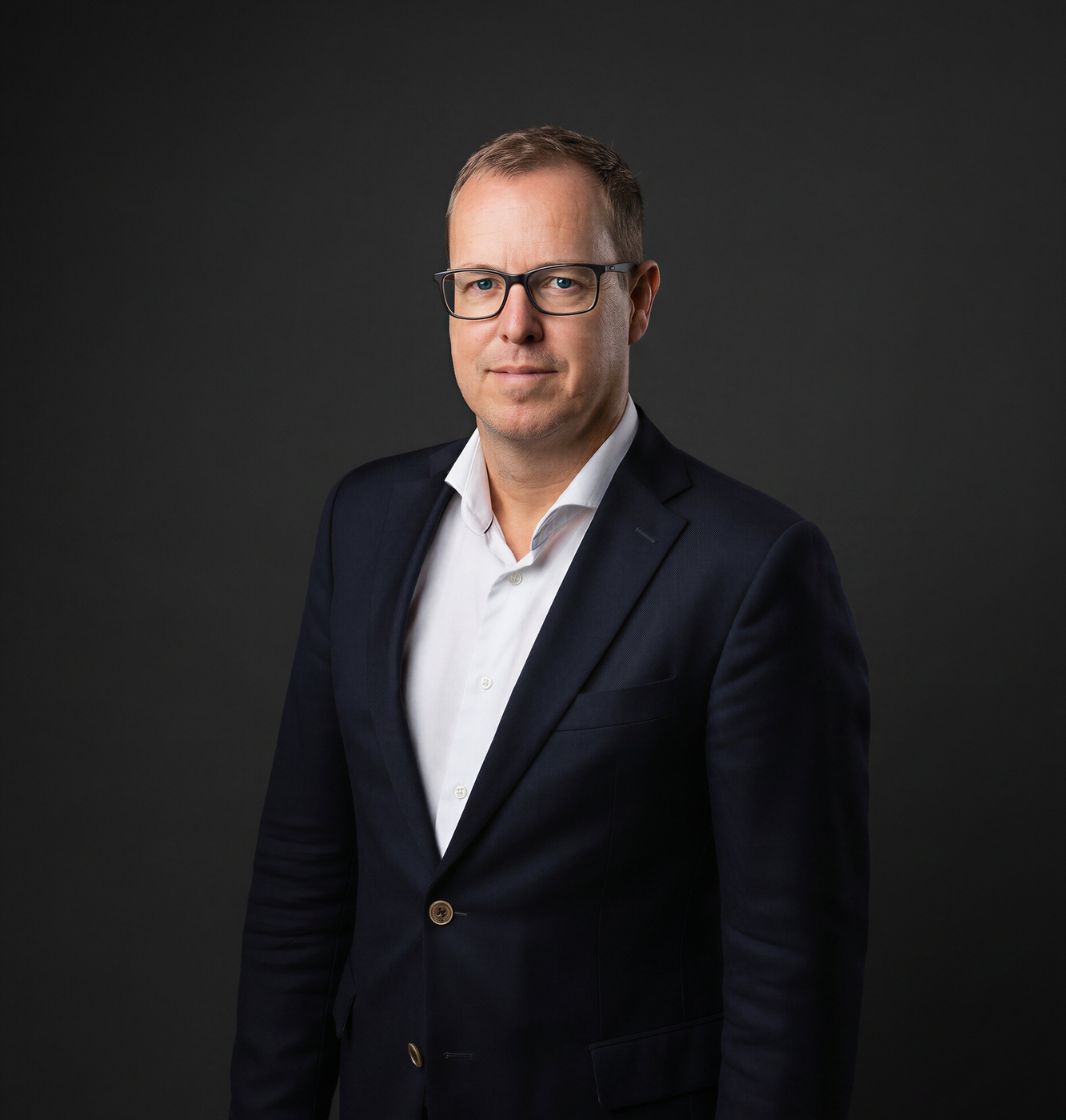
Marc Gombeer, Plant Manager, Volvo Car Košice
Follow us