
The city authority and the various stakeholders did not jointly address the question: What kind of city do we want? This created low levels of trust between citizens, developers and the city administration, making constructive dialogue about the city’s future increasingly difficult.
Over the last decade, however, expectations around city life have started to change. Questions of the quality of our shared public spaces, housing affordability, sustainable mobility and climate resilience have become central to discussions about Bratislava’s future, with a series of bottom-up initiatives spearheading change. This was met by top-down support and the leadership of Mayor Vallo. His administration recognized that safeguarding public value is central to quality of life and the city’s competitiveness. The Metropolitan Institute of Bratislava (MIB) was established in 2019 to help bring a more strategic, coordinated and long-term approach to urban development.
Demographic projections indicate that between 2021 and 2050 Bratislava will need around 123,000 additional homes. But for this small Central European capital (currently home to approximately 480,000 residents) to remain competitive and socially sustainable, housing growth cannot simply be about numbers. The key question is what kind of city we are creating through this development — and whether new neighborhoods contribute to public life, accessibility and long-term quality of living.
One of Bratislava’s greatest opportunities today lies in the transformation of brownfields, former industrial or underused areas that can become new mixed-use neighborhoods for future generations.
Rather than continuing outward suburban expansion, Bratislava has the opportunity to regenerate underused inner-city areas with existing infrastructure and strategic connections. Brownfields allow cities to grow more sustainably, limit urban sprawl and create compact neighborhoods based on the principles of a 15-minute city, where housing, public services, workplaces and green spaces coexist in proximity. They also offer a chance to repair fragmented urban structures and reconnect areas that were historically separated by industrial uses.
Mlynské nivy as an example of transformation
MIB’s brownfield study identified 113 brownfield sites across the city, covering approximately 580 hectares. More than half of these sites have strong redevelopment potential, although many are burdened by environmental contamination inherited from previous industrial uses. Addressing these challenges requires long-term planning and cooperation between the public and private sectors, but the potential benefits for the city are substantial.
One of these sites where this potential is already being unlocked is Mlynské nivy. Across 138 hectares of former industrial and logistics land, a new mixed-use district is gradually emerging. What was once dominated by parking lots and fragmented industrial functions has the potential to become a sustainable neighborhood for approximately 20,000 residents.
What makes this project important is not only its scale, but also the process behind it.
In 2021, the city launched a call for zoning plan amendments aimed at increasing housing capacity.
The Metropolitan Institute of Bratislava (MIB), in collaboration with the Chief Architect’s Office, has prepared a masterplan for the area. This is a pilot project that coordinates the interests of individual landowners with the public interests of residents and the city.
Nearly twenty developers are participating in the initiative, under which the amendment of the zoning plan—from industrial use to a mixed-use district—will be handled as a single package rather than having each investor commission an individual urban study and go through the process separately. The agreements linked to the Mlynské nivy zoning changes will deliver more than €60 million in infrastructure investments and additional land contributions for public use.
This saves time and resources while also giving the city a comprehensive vision of the principles that should guide the development of the entire district. For Bratislava, this is a highly unique process of seeking a broad consensus among stakeholders. It represents a shift away from fragmented project-by-project decision-making towards a more coordinated and transparent model of urban development.
New era of urbanism in Bratislava
The area is intended to be transformed according to the principles of the 15-minute city, where residents can find everything they need within walking distance. The zone is designed as a courtyard block development with active ground-floor uses, a boulevard featuring a tram line, cycling routes and good connectivity throughout the area. It will also include public amenities such as shops, kindergartens and primary schools, playgrounds, healthcare facilities and various services. A network of public spaces and green areas will help support everyday life while improving environmental quality and resilience.
This approach highlights a new era of urban development in Bratislava, where the city shapes transformation through dialogue. Private investors are essential partners in city-making, building homes and delivering projects. The role of the city is to define the public interest and create transparent frameworks that balance private investment with long-term public value.
In many ways, Bratislava is still in the process of defining its post-1989 urban identity. Brownfield regeneration has become part of that conversation. It is not only about land use or housing delivery, but about rebuilding trust in how the city develops and who benefits from that development.
The transformation of sites such as Mlynské nivy demonstrates that urban growth can be guided by clear public objectives while creating value for residents, investors and the city as a whole.
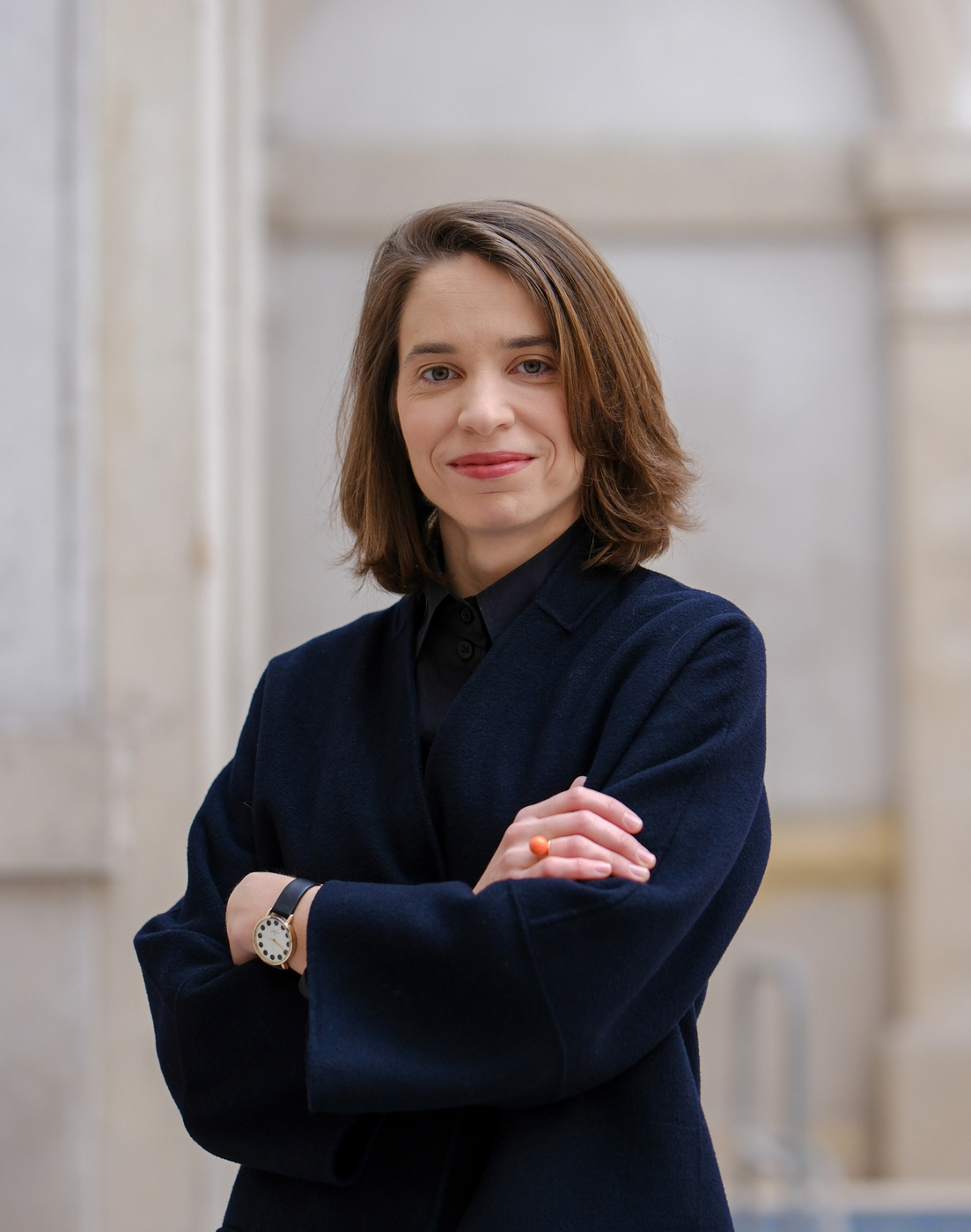
Petra Marko, CEO, Metropolitan Institute of Bratislava
Follow us