
The proposed inheritance rules respond to long-standing gaps in the current regime. The draft expands testamentary freedom and introduces tools Slovak law has so far lacked, though it still falls short of private foundation structures available elsewhere.
Key changes include lower statutory shares for forced heirs, an inheritance contract, legacies and instructions, the option to appoint an estate administrator or executor, the right to renounce inheritance in advance, etc.
Forced heirs, lower statutory shares
The draft reduces the minimum protected share of forced heirs. The reserved share of a minor descendant falls from 100% to 3/4 of the statutory share, and for an adult descendant from 1/2 to 1/4. This strengthens testamentary freedom and may help preserve business continuity and reduce fragmentation of assets.
Inheritance contract, legacy and instruction: new planning tools
A new tool is the inheritance contract. Unlike a will, which can be changed or revoked unilaterally at any time, an inheritance contract binds both parties, the testator and the heir. That mutual commitment makes it a powerful tool for anyone seeking genuine certainty in succession planning.
A legacy allows a testator to leave a specific asset or sum of money to a chosen person (e.g. a close friend, a charity), without making that person a full heir. The legatee will not be liable for the testator’s debts, which clearly distinguishes this institution from ordinary inheritance.
The instruction allows a testator to require an heir to act, refrain, or tolerate something (e.g. not to sell a family business, to maintain a family property, or to care for relatives). Compliance may be enforced by another heir or the executor. Failure to comply will not automatically result in loss of inheritance rights, so the practical effectiveness of instructions remains to be seen.
 Estate administrator and executor
The draft allows the testator to appoint an estate administrator and an executor during lifetime, addressing who will manage the estate during probate and who will ensure the deceased’s wishes are carried out.
The testator will be able to choose a person in advance to manage the estate immediately after death and throughout the probate proceedings, protecting assets from deterioration and unauthorised dealings.
The executor, appointed during the testator’s lifetime, oversees implementation of the last will, defends the testator’s legal acts and ensures compliance with instructions and makes sure the testator’s wishes do not remain merely on paper.
What the new Code (still) does not bring
The new Civil Code does not introduce a domestic legal vehicle for private wealth holding comparable to a trust, endowment fund or private foundation. The key issue is not only who inherits, but who manages the assets, under what rules, and how to prevent fragmentation, loss of control or premature transfer. Families want continuity, protection and to avoid the estate being split too early or too widely.
Slovak families may still need to rely on foreign entities such as endowment funds, which keep assets together under pre-set governance rules across generations separating ownership, control and economic benefit. These structures are used to preserve assets, establish governance frameworks, and reduce conflict in intergenerational transfers. They help protect, manage, and grow assets while allowing families to plan for situations that traditional succession law addresses only partially, such as the founder’s death, long-term incapacity, divorce, or disputes among heirs.
For larger estates, professional administration may be important. HAVEL & PARTNERS, together with ONE FAMILY OFFICE, offers a comprehensive framework for wealth protection, governance and growth, combining legal, investment and succession solutions, including global mobility for the family and assets, philanthropy, healthcare services, security and education for the next generation.
Where there is no natural successor within the family, asset management can be entrusted to professionals. Within the group, 50 legal, accounting and fiduciary experts support private clients, including ten in Slovakia. This enables us to provide support ranging from advisory services and supervisory bodies to executive roles in holdings and foundation structures.
The new Civil Code is good news. It brings more flexibility and more realistic tools for succession. However, it still does not offer a domestic solution for the long-term protection, transfer and administration of private wealth. For business owners, it means that foreign structures will remain part of the planning toolkit even after the new Code is adopted.
This article is based on the draft new Civil Code submitted to the National Council on 7 May 2026.
Štěpán Štarha, Partner, HAVEL & PARTNERS
Patrícia Jamrišková, Managing Associate, HAVEL & PARTNERS
Author

- Patrícia Jamrišková
- HAVEL & PARTNERS s.r.o.
- Managing Associate
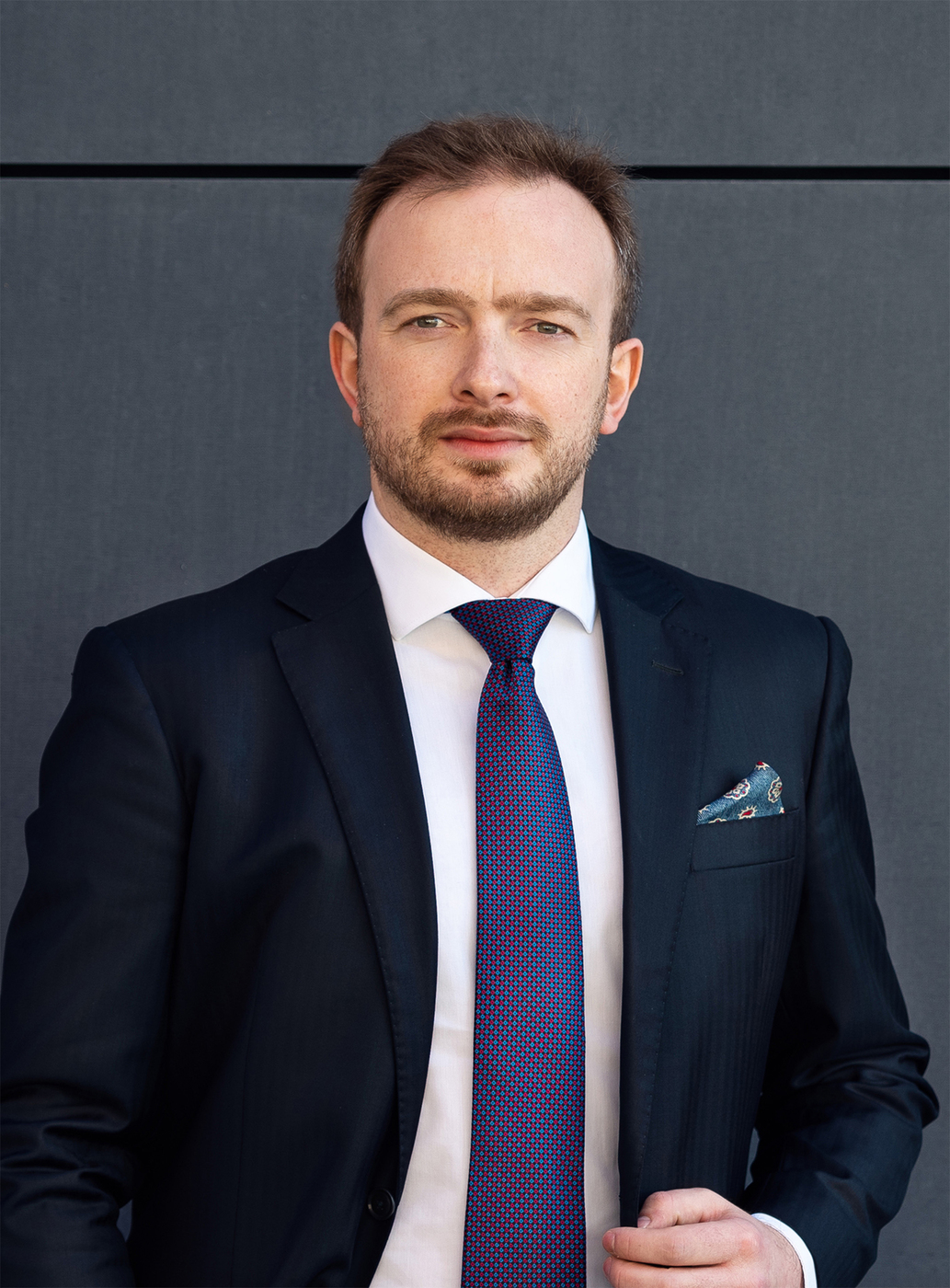
- Štěpán Štarha
- HAVEL & PARTNERS s.r.o.
- Partner
Follow us