
When a company decides on a new factory, an IT delivery center or an R&D, it starts with the hard data. When two regions look identical on the spreadsheet, reputation becomes the tiebreaker, and reputation moves slowly. As Simon Anholt writes in Competitive Identity, a place can change quickly, but “its image can lag behind by years or decades,” like starlight that reaches us long after the event that produced it. Eastern Slovakia has changed faster than its image, and that gap carries a price.
The substance is real: 15,000 IT professionals, major industrial employers like Volvo, Nippon Steel, Magna, three universities, and a compact, safe, affordable quality of life that competes with Europe. Košice is the largest city in the EU part of the Carpathian Euroregion, a center of a cross-border area spanning Poland, Hungary, Romania and Ukraine. It is a strong hand, and we play it badly.
We play it badly because nobody is saying the same thing. The city runs its campaigns, the region another; the chambers say something, while conference organizers and hotels play in their own sandbox, and the government has its own way of communicating. Each piece may be fine alone. Marketing tells us that scattered messages do not compound. The result, in Anholt’s words, is “muddled and contradictory, and so never really moves forwards.” One region, too many voices.
You can watch it happen. Košice goes quiet for days, then three events on a single day; no one coordinates the calendar. This autumn we will get several tech conferences within a couple of days – but one larger, international event would do far more for the city’s name abroad. And if we cannot coordinate one region, how do we expect to attract the world? World-class business is not built solely with the people from your own neighborhood. Credit where it is due: the data is getting better. IT Valley has mapped the regional tech sector for years, consistently and credibly, which deserves recognition. Finally, the city and the region are opening their data too, long overdue and a genuine help. AmCham’s “Mapping the Potential of Eastern Slovakia” helps this, mainly because it does the work of asking stakeholders, mapping what different institutions actually need, and pulling it into one picture.
A shared story only works if the product behind it is ready. Košice has been international for centuries: German, then Hungarian, then Slovak by turns, and home to Catholics, Lutherans, Calvinists and Jews. But heritage is not readiness. Readiness is a professional immigration office, housing a newcomer can actually find, services a foreigner can navigate, help getting international students into local jobs and communities, and venues fit for a serious business event. It means deciding, out loud, that we want professionals, students and skilled workers, not only tourists.
And we should be honest about where the money goes. We pay well for slogans and logos, then leave the substance undone. The foreign residents we already have are not in our communities; the international students at our universities do not work in our companies; we serve canapés at conferences while the immigration police officer can barely manage English. Anholt is blunt about this order of priorities: building a reputation, he reckons, is “80 per cent innovation, 15 per cent coordination and 5 per cent communication,” and places “must earn their reputation, not construct it.” We have the ratio upside down.
Some of the most valuable branding this region will ever do is not a campaign at all. When Deutsche Telekom, Volvo, Nippon Steel or Caterpillar brings German, Swedish, Japanese or American managers and investors to Košice, those visits decide whether more functions, more jobs and more capital follow; as KPMG’s Magnet Cities puts it, “today’s visitors become tomorrow’s residents.” Which is why every new route from Košice airport matters, and why we need more of them.
There is no such thing as a neutral magnet; nor is there a neutral city. A city either pulls in young, skilled people, the “young wealth creators” as KPMG calls it, who build tomorrow’s economy, or it pushes them out. So decide for yourself: which one are we doing right now?
Eastern Slovakia needs one table, the city, the region, the state, the universities, the major employers, the chambers, the hotels, conference organizers and creative sector and event and marketing agencies, agreeing what the region stands for, on shared open data so every pitch cites the same numbers. So someone has to hold the pen. By mandate it is the region, the only level elected for the whole east, but a brand that restarts every four years is none. The pragmatic start is a neutral entity already doing mapping, a chamber or cluster such as AmCham, IT Valley or SOPK, holding the table until the city, the region and the state make it permanent, together with businesses across IT, heavy industry, the MICE and HoReCa segment, and the creative sector of Košice.
But agreeing on a story is only half of it. We then have to live it: every product we build, every campaign, every process and every municipal decision made by people who remember that this city is international and wants the world to feel at home here. Get that right and we stop being Central Europe’s best-kept secret. There is no neutral setting. A region is either pulling people in, or pushing them away.
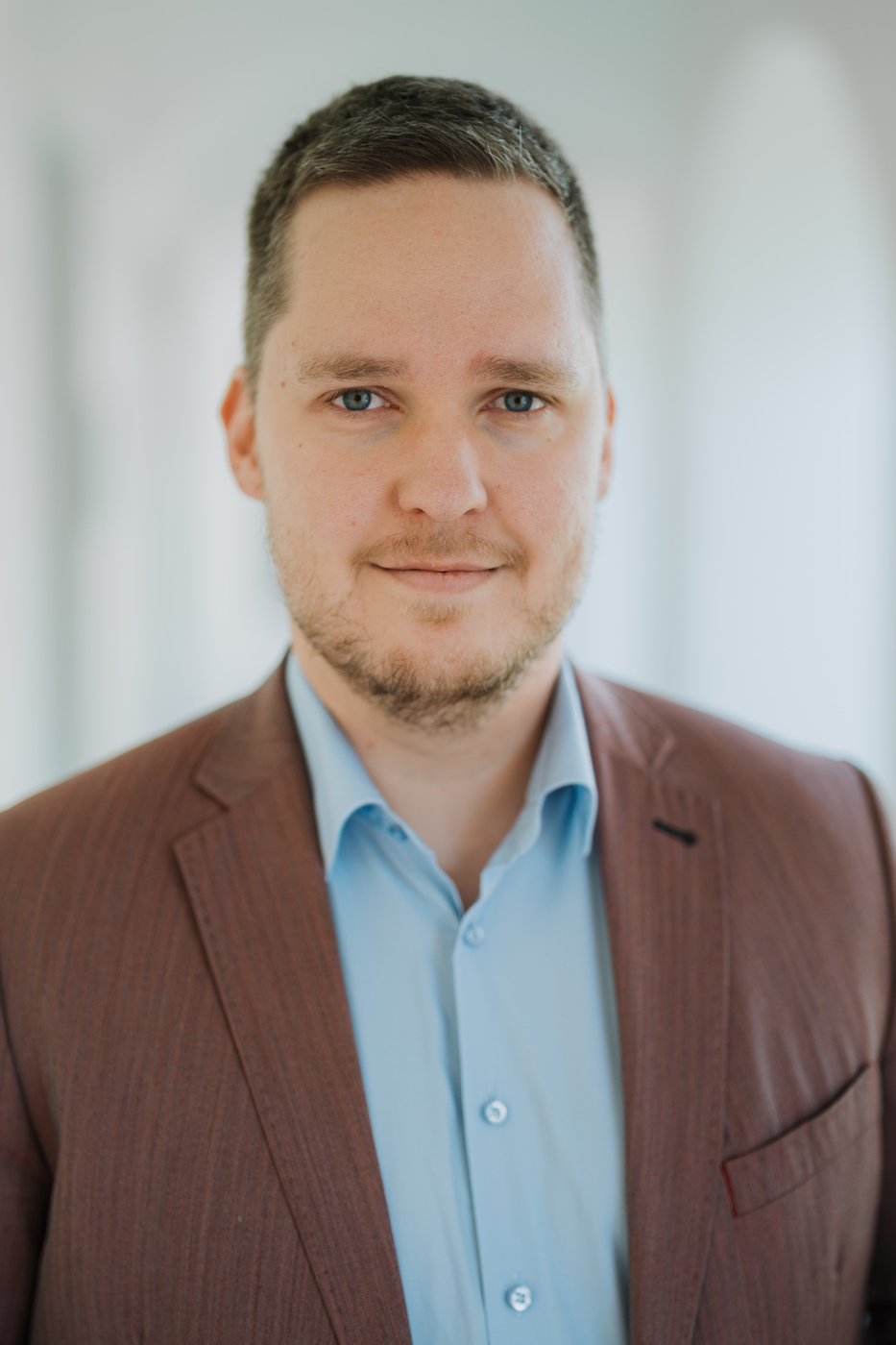
Peter Šoltés, CEO, Promiseo
Follow us