
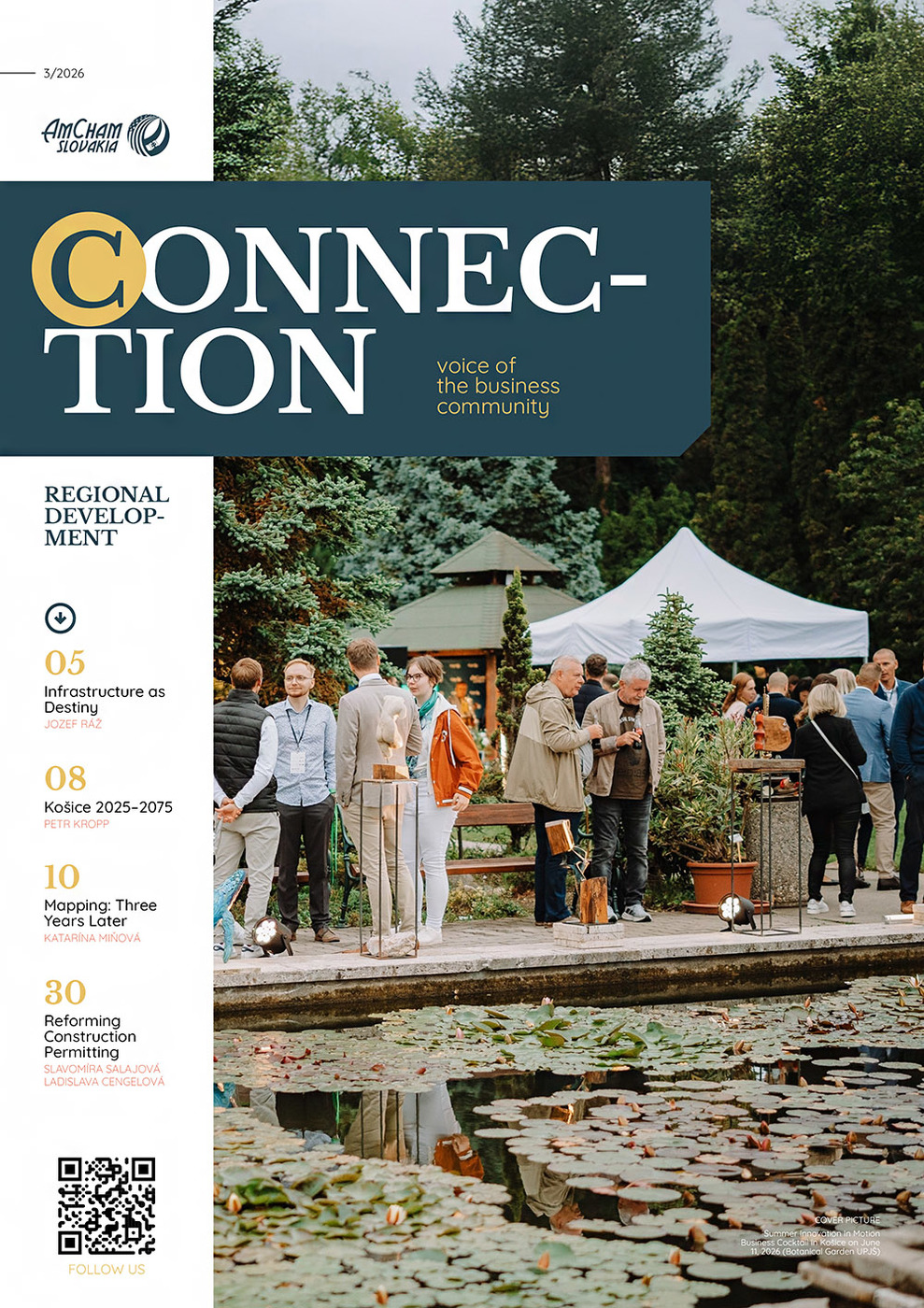
The city of Košice, Slovakia’s second-largest city and a recognized creative hub in Central Europe, is placing business events firmly at the center of its tourism development strategy. A dedicated conference held in May 2026 marked the beginning of this effort in earnest, a starting signal for the city’s active and systematic work on developing the business events segment. The event reflected Košice’s ambition to become a competitive destination for professional and corporate gatherings, and shed light on why this segment matters so much for cities with growth potential.
The Economic Logic of Business events
Business events attract a fundamentally different visitor than conventional leisure tourism. Delegates attending a congress or corporate gathering typically spend more per day than a leisure tourist: they use accommodation, dining, transport, cultural experiences, and professional services, often over multiple days and with organizational budgets backing their stay. The ripple effect across the local economy is therefore disproportionately large relative to visitor numbers alone.
For Košice, this economic logic is central to the argument for investing in the sector. As the local DMO notes, business events bring visitors with higher added value who generate demand across local services. In a city that has diversified its identity, establishing itself as a center for IT, automotive innovation, e-mobility, and energy, the alignment between these industries and topic-driven conferences creates a natural engine for growth.
“Košice has the natural prerequisites to become a strong destination for professional and business events,” said Michaela Spišáková Podoláková, Executive Director of DMO Visit Košice. “We see Business Events as an opportunity that supports local services, the city’s economy, and its long-term attractiveness.”
Beyond Economics: Building a City’s Identity
The value of business events extends well beyond immediate revenue. Hosting a high-profile congress or international corporate gathering places a city on the mental map of decision-makers, academics, and industry professionals who might otherwise never have reason to visit. These visitors become informal ambassadors: they return home with impressions of the city’s infrastructure, hospitality, and cultural offer, sharing them within their professional networks.
For Košice, this reputational dimension is particularly meaningful. The city holds the legacy of being a European Capital of Culture, is a member of the UNESCO Creative Cities Network, and has developed a strong academic and innovation ecosystem. These are precisely the credentials that attract organizers of scientific, technological, and creative industry conferences. The city’s compact, walkable historic center further simplifies the logistics of event management and enhances the overall experience for attendees.
 Learning from Comparable European Cities
A recurring theme at the May 2026 conference was the experience of similar-sized European cities that have successfully carved out a space in the business events market without necessarily possessing a large, purpose-built congress center. Cities such as Linz, Graz and Ljubljana demonstrate that competitive positioning is achievable through a clear strategy, a quality portfolio of venues, and a strong destination identity.
This is an instructive lesson for destinations at a similar stage of development. The competition for business events is not exclusive to capital cities or metropolises. Medium-sized cities with a distinct character, specialized industry clusters, and committed destination management organizations can attract organizers seeking authentic environments outside the predictable circuit of major convention hubs.
Infrastructure and Connectivity as Enabling Conditions
For business events to reach their full potential, physical infrastructure and transport connectivity must keep pace with ambition. The conference directly addressed this challenge, flagging improved transport links between western and eastern Slovakia as a prerequisite for growth.
The hotel landscape in Košice is also expanding. The conference showcased the city’s existing accommodation base alongside forthcoming premium properties, including a new five-star hotel, signaling growing investor confidence in the segment. This expansion of capacity is essential: event organizers require a sufficient supply of quality rooms to underwrite their decision to bring large delegations to a destination.
A Systematic Approach to Development
What distinguishes Košice’s trajectory is not simply the hosting of a single event, but the underlying commitment to building business event capacity as a strategic priority. Destination Košice has been systematically developing the business events segment since 2024, placing Košice alongside Bratislava and the High Tatras as one of the principal Slovak destinations where this segment is actively being grown.
The sectoral specialization of the region, in IT, automotive manufacturing, e-mobility, and energy, creates a coherent basis for thematically focused events that connect local professional communities with international counterparts. This is not generic conference tourism; it is a targeted approach that leverages what the region genuinely does well.
The Bigger Picture
The May 2026 conference was not merely a one-off event, it was a declaration of intent and the beginning of active, coordinated work on building Košice into a credible business events destination. By bringing together representatives from the public sector, private industry, academia, and cultural institutions, it established exactly the cross-sector coalition needed to turn ambition into sustained results.
Business events are not merely a revenue stream. They are a mechanism through which cities participate in global professional conversations, attract talent and investment, and demonstrate to the world that they are serious, capable, and worth visiting — not just once, but again and again.
Visit Košice
Follow us